
Java Trek to Peru – Part 3/3
CRS Fair Trade Ambassador Janet Berna had the opportunity to travel to coffee farms in Peru with CRS Fair Trade partner Dean’s Beans. This is part 3/3 in a reflection series on her travels. You can also view a photo slideshow of her trip here.
The following day, we had a meeting with the Mayor of Lamas where we learned about the communities’ desire to increase tourism for the region. After this we went to the cocoa farms and had a frank discussion with cocoa 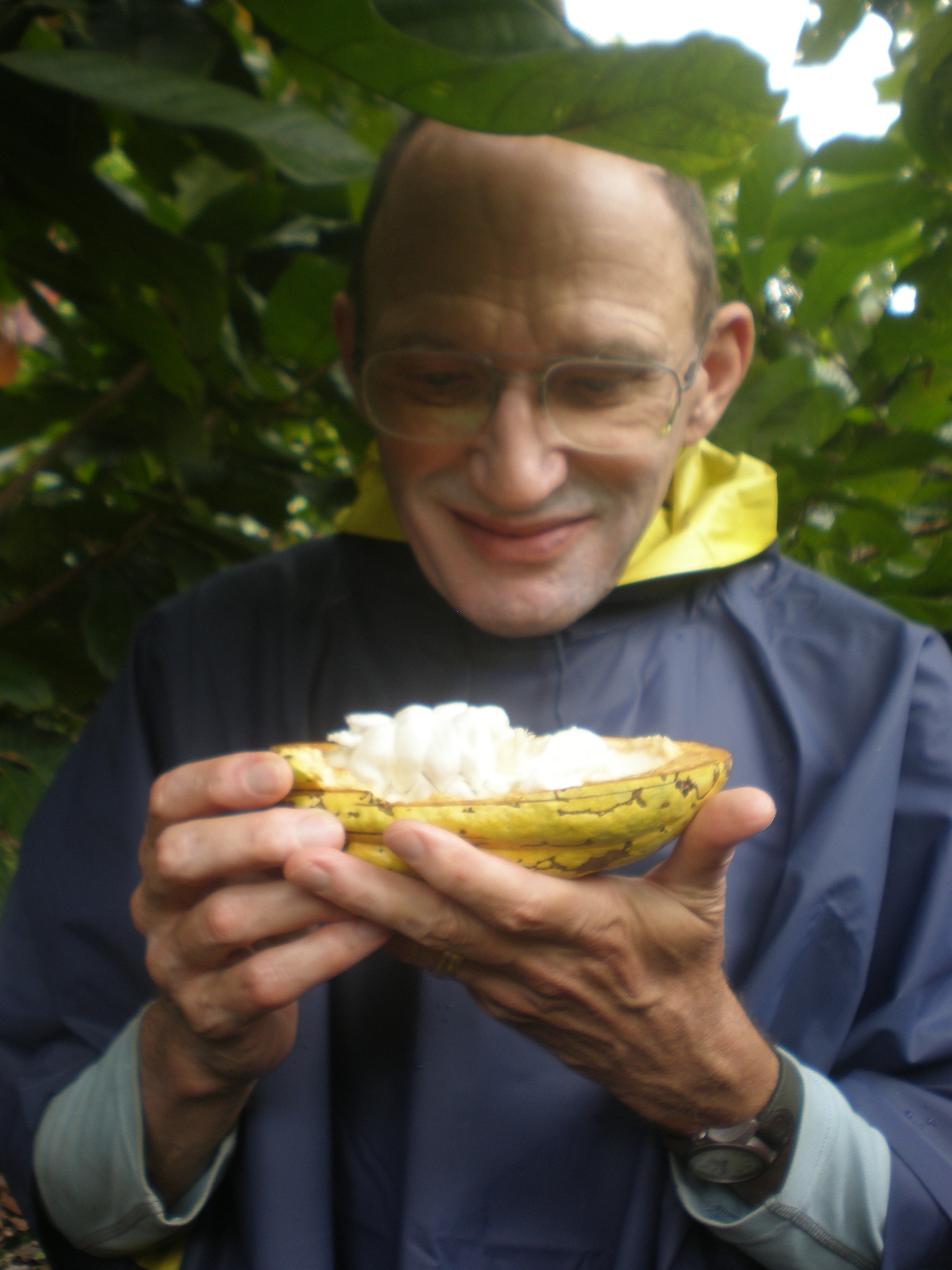 farmers and their families. When asked if the children helped on the farms, a farmer responded, “When the children get home from school, they need to study. Education is most important.” It felt like such an affirmation on the value of fair trade. It resounded in me—they want the very same thing for their children that I want for my children and grandchildren. When asked about the women’s jobs, a farmer shared that his wife gets up to make breakfast for the children. After she gets the children off the school, she brings breakfast to her husband and the other workers in the fields. This can be a two-hour walk for her to reach them. One of the farmers asked us about the market in the US. It was hard to tell them that people will pay most any price for things that they really want, while they talked about taking on an additional job for the 3-4 years until their cocoa trees were fruitful. The sense of community in this country, with these people, was tremendous. Although the village looks very humble and poor, the community felt more like us than different.
On the last morning at the cooperative we took the time to talk about fair trade. The conversation focused on the two ways of working in the market place. Dean’s Beans is from the camp that promotes 100% fair trade vs. others who want to sell more, but are also willing to sell partly fair trade products. We agreed that it isn’t good guys vs. bad guys, but rather two different perspectives of trying to help people.
After our discussion we took a tour of the office and chocolate factory of the cooperative. The farmers who work doing paperwork or planning for the cooperative take turns, so they farm when not working in the office—it is truly cooperative!
On reflecting on what touched me deeply I found that it was: the people, the hospitality. It was an attitude by our hosts in the Oro Verde cooperative that was voiced and resounded in my heart … “What more can I do for you?” It was unspoken but very apparent wherever we went.
The reason we went on the trip was to make connections, and those connections, with the farmers and everyone we met, were the best part!
